Starting First Consultation To Understanding: Partnering With Your LASIK Doctor
Article Author-Kiilerich Whitaker
Choosing to undergo LASIK surgery is a crucial step towards attaining improved eyesight and enhanced independence from glasses or contact lenses. The process starts with selecting the appropriate LASIK doctor, someone who not only has the necessary skills but also appreciates your unique needs and worries. An experienced LASIK surgeon can guide you through the nuances of the procedure, making sure that you feel aware and confident throughout the process.
During your first consultation, it’s crucial to have an honest discussion with your laser eye surgeon. This is your time to ask questions, share thoughts, and understand about the different techniques available, such as bladeless LASIK. By fostering this interaction, you can create a trusting relationship that will carry you through the surgery and the recovery process, ultimately guiding you towards the vision you want.
Understanding LASIK Surgery
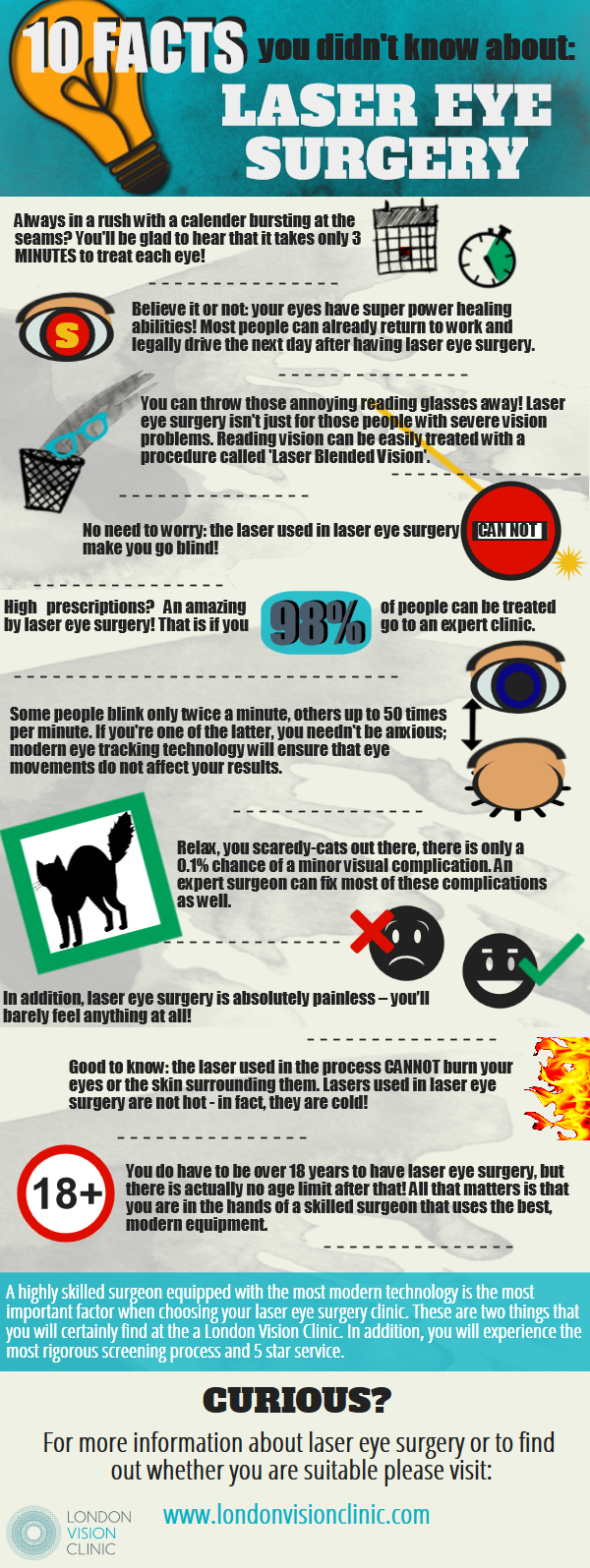
Laser-Assisted In Situ Keratomileusis procedure, short for Laser-Assisted In Situ Keratomileusis, is a well-known surgical intervention aimed at addressing frequent vision issues such as myopia, hyperopia, and irregular vision. This cutting-edge technique uses advanced laser technology to reshape the outer layer of the eye, allowing visual information to focus more accurately on the retina. Many people choose LASIK due to its promise for immediate improvement in vision and the convenience of reduced dependency on glasses or contact lenses.
An expert LASIK surgeon plays a key role in the success of the surgery. They perform a thorough assessment of the patient's eyes to determine their suitability for the procedure and to go over potential risks and benefits. please click for source is not simply a formality; it is a critical step where the surgeon aligns the individual's expectations with the facts of the surgery. Understanding the specific characteristics of each individual's eyes helps in customizing the surgery for best results.
Bladeless Laser-Assisted In Situ Keratomileusis, a variation of traditional LASIK, is gaining popularity for its precision and safety. This method utilizes a beam of light instead of a surgical blade to create the corneal flap, which improves the overall ease of the procedure. Vision surgeons trained in this novel technique provide individuals with a less invasive option that often leads to quicker recovery times and fewer complications. Whether opting for classic or bladeless LASIK, open communication with the surgeon is vital for securing the best possible outcome.
Choosing the Right LASIK Doctor
Determining the appropriate LASIK surgeon is essential for ensuring the best possible results for your vision correction needs. Commence by finding an experienced LASIK surgeon. Skill plays a significant role in the standard of care and skill level a doctor has. A veteran doctor will have performed a variety of procedures, providing them the expertise to handle different eye conditions and challenges that may emerge during the procedure.
It’s also essential to take into account the technology used by the surgeon. A bladeless LASIK doctor uses advanced technology to carry out the procedure with greater precision and comfort. This method minimizes the dangers associated with conventional LASIK methods while improving healing times. Ensure to ask about the particular laser technology used and whether they offer custom LASIK options adapted to your specific vision needs.
Finally, don't shy away to seek referrals and look up feedback from previous patients. Testimonials can give insight into the healthcare provider's approach to patients, their quality of treatment, and the outcomes had by previous clients. An educated decision is important, so spend time to interview and collect insights on various laser eye surgeons before settling on your selection.
This Consulting Process
The preliminary consultation serves as a crucial step in your LASIK journey, as it sets the foundation for your treatment. During this meeting, you will interact with an experienced LASIK surgeon who will assess your eye health and go over your vision goals. This is an chance for you to inquire about questions and voice any concerns you may possess about the procedure, ensuring you are knowledgeable before making a decision.
Your surgeon will conduct a series of tests to evaluate your vision and find out whether you are a good candidate for LASIK. check over herea may include measuring your corneal thickness, mapping the surface of your eye, and evaluating your overall eye health. A no-blade LASIK surgeon may use advanced technology during this assessment to deliver the most accurate results, resulting in a personalized treatment plan that caters to your unique needs.
Following the examination, your LASIK surgeon will explain the various options available to you, which may include the benefits of bladeless technology versus traditional methods. You will also talk about potential risks and expected outcomes, allowing you to feel assured in your choice. This rigorous consultation process ensures that you and your laser eye surgeon are in agreement on your vision correction goals, paving the way for a successful LASIK experience.
Post-Operation Care and Expectations
After your LASIK procedure, your qualified laser eye surgeon will offer you with thorough instructions for post-operative care. It is essential to adhere to these guidelines closely to ensure optimal healing and results. You may be counseled to steer clear of rubbing your eyes, apply prescribed eye drops, and use protective eyewear, particularly during the early few days post-surgery. Keeping your eyes moisturized and avoiding exposure to allergens, like smoke or dust, can aid facilitate a smoother recovery.
In the days following the operation, it is usual to go through some fluctuations in vision, including blurriness or haziness. Most patients can return to normal activities within a short time, but it is essential to give your eyes ample time to heal properly. Your bladeless LASIK surgeon may suggest follow-up visits to check your recovery and adjust your eye care regimen as needed. Patience is key, as many individuals notice significant enhancement in their vision within the first few weeks.
As your vision stabilizes, you can expect a significant improvement in your quality of life. The freedom from glasses or contact lenses is often one of the most rewarding outcomes of LASIK surgery. However, keep in mind that while LASIK can greatly improve vision, some patients may still depend on glasses for specific tasks, such as reading later in life. Staying in frequent communication with your LASIK surgeon will help set expectations and ensure any concerns are addressed quickly.